What you walk, in order
The loop I take visitors on, from the ramp above the town down to the old shoreline.
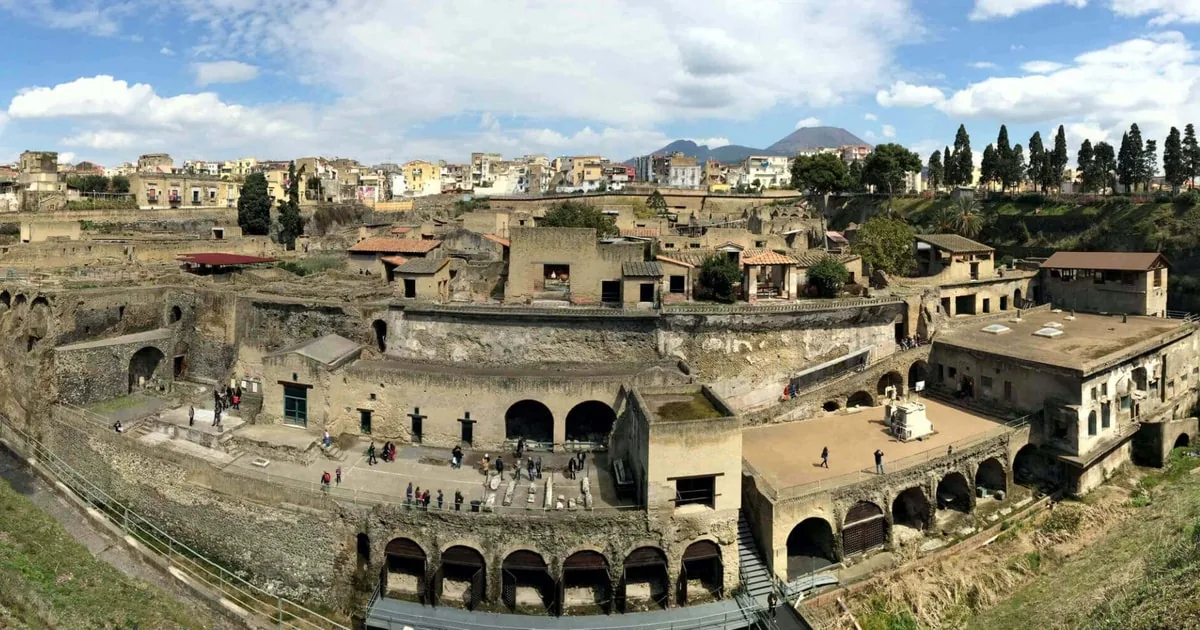
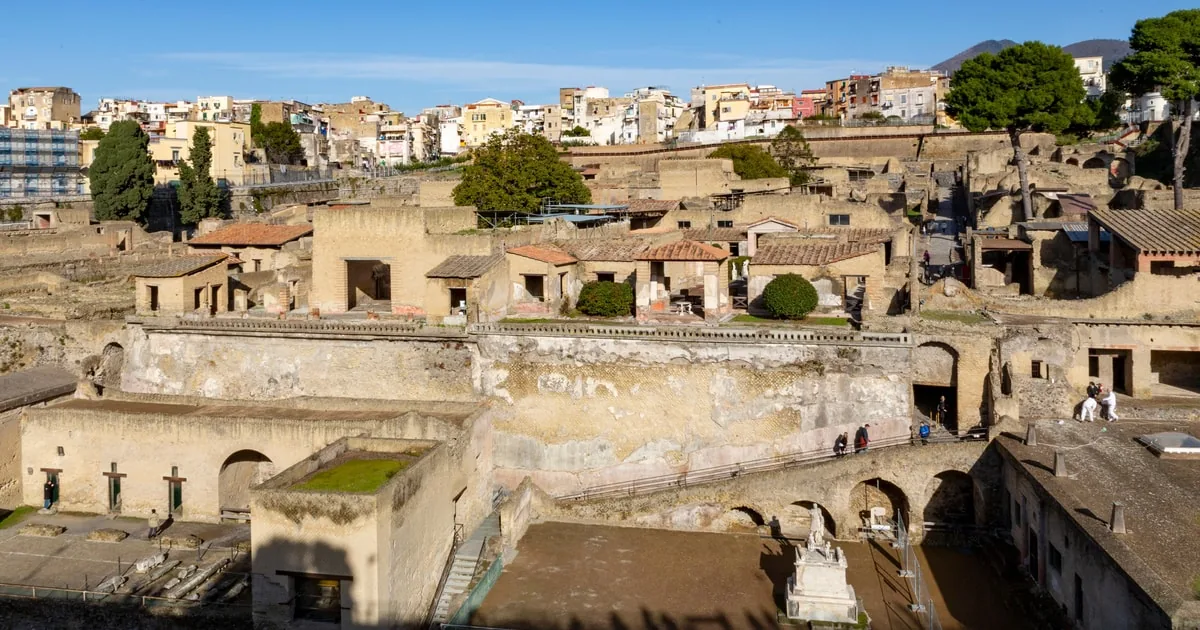
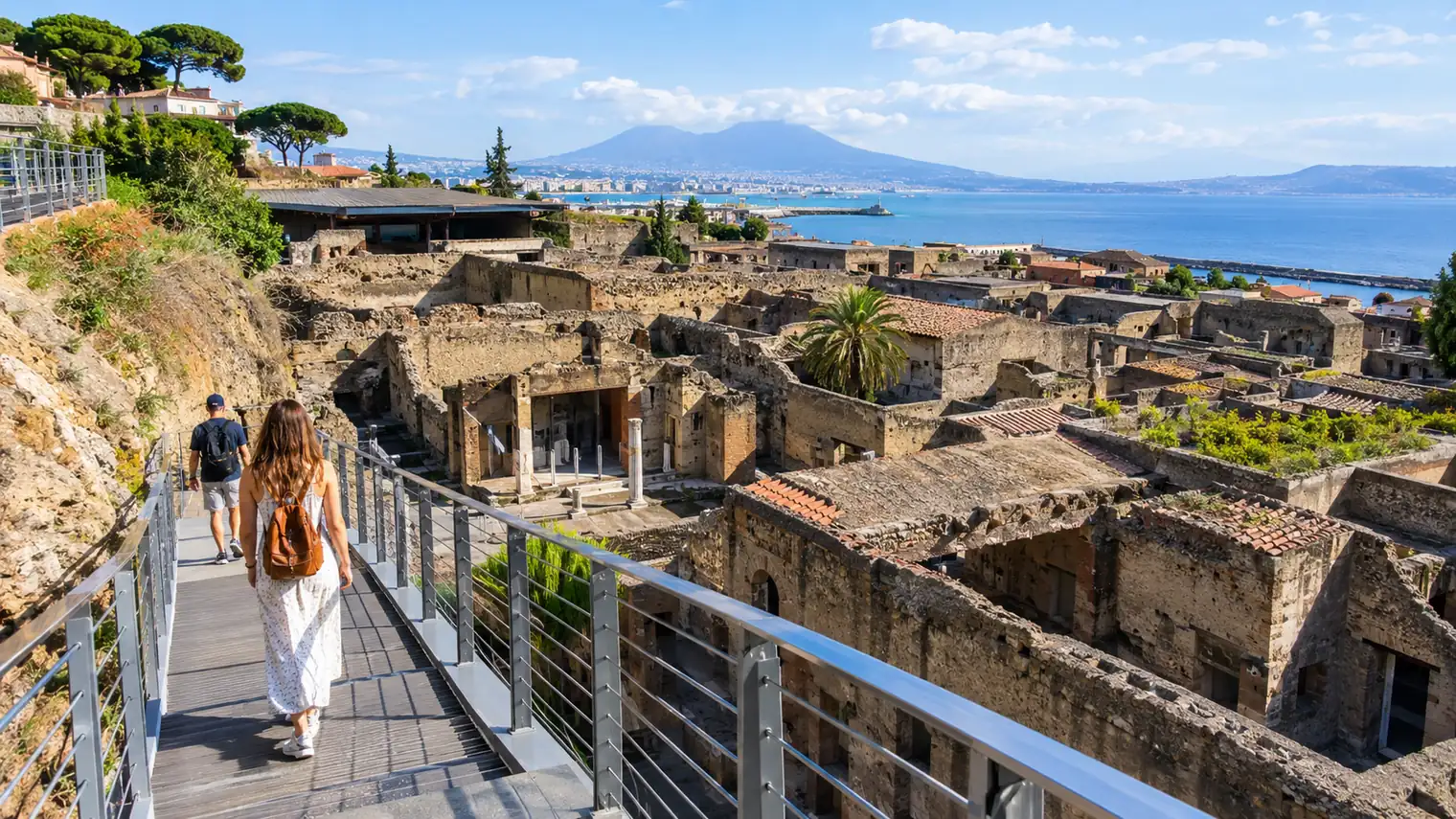
You come in high. The entrance ramp skirts the excavation, so before you descend you see the whole town below you — and modern Ercolano sitting on the three quarters still buried. Then the loop, roughly in this order.
- Entrance ramp overlook ~5 min — About 4.5 hectares of Roman town at your feet. Take the photo here, not later.
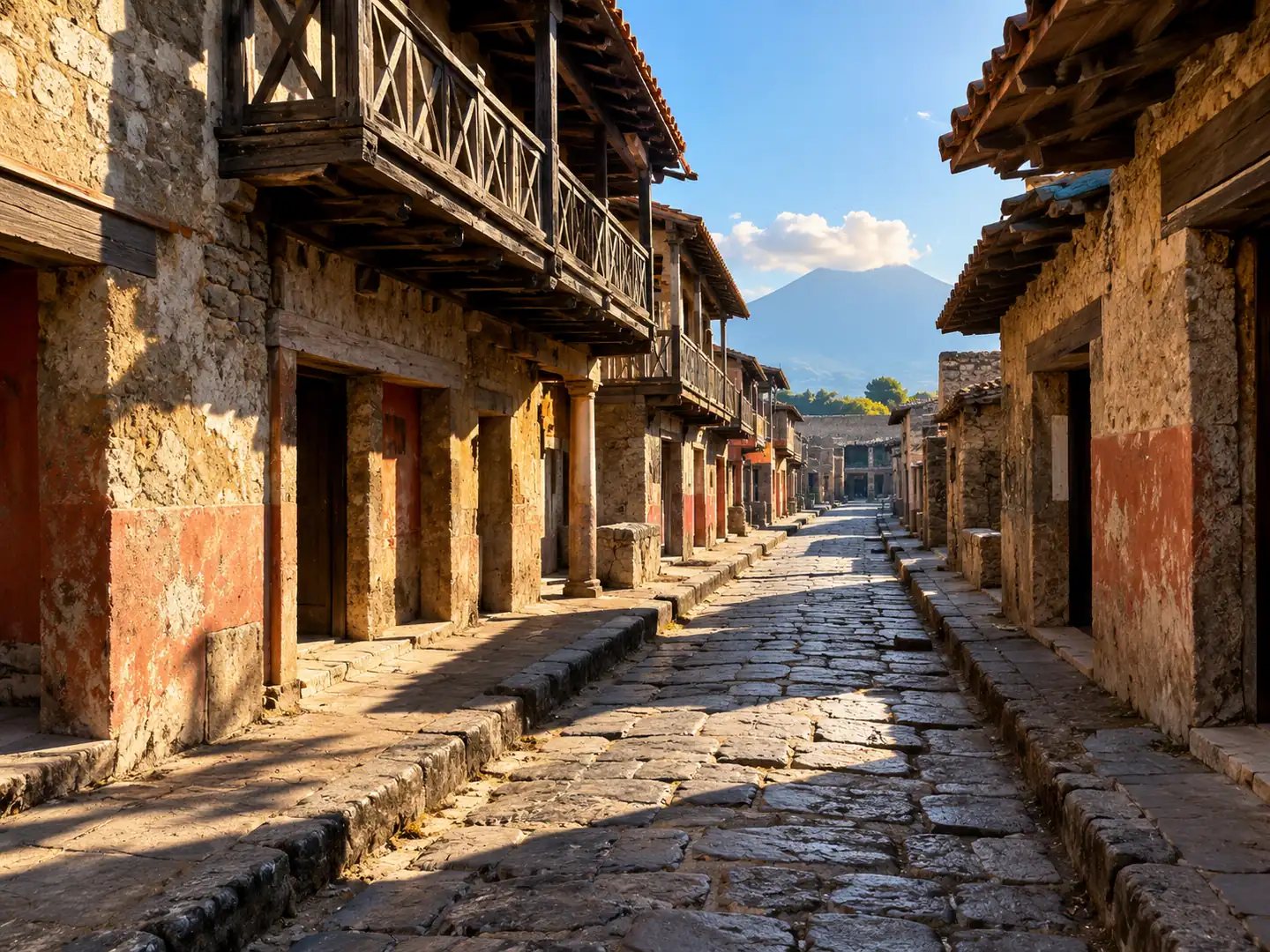
- Cardo III and the Decumanus Maximus ~20 min — The main streets of the grid, with houses either side keeping their upper floors — something Pompeii mostly lost.
- House of the Wooden Partition ~10 min — A carbonized wooden door, preserved by the deep hot burial instead of destroyed by it.
- Samnite House ~10 min — A smaller house most groups hurry past. Worth a slow minute before the baths.
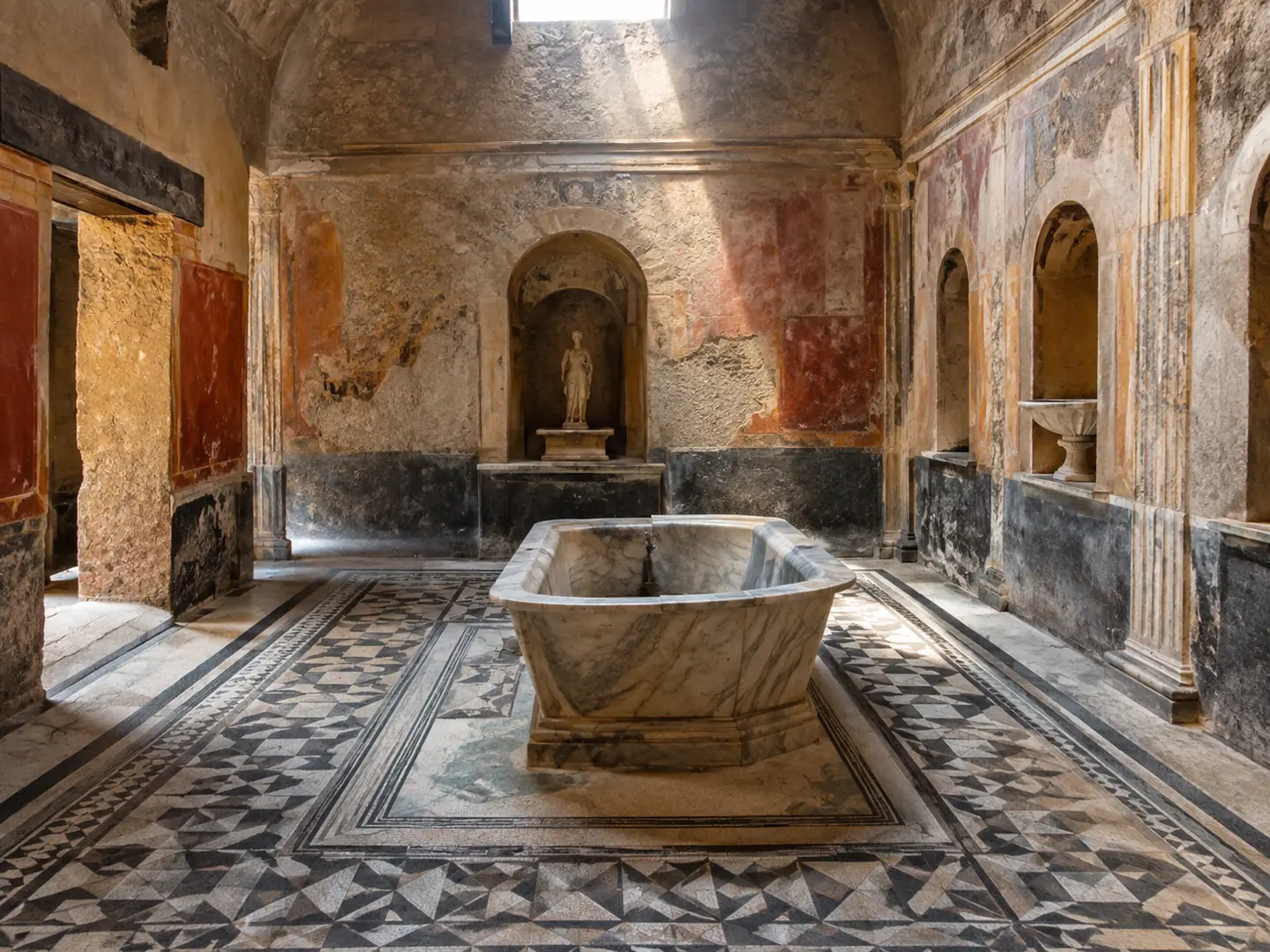
- Central Baths ~15 min — The town’s bath complex — and in August, welcome shade; parts of Herculaneum keep their roofs.
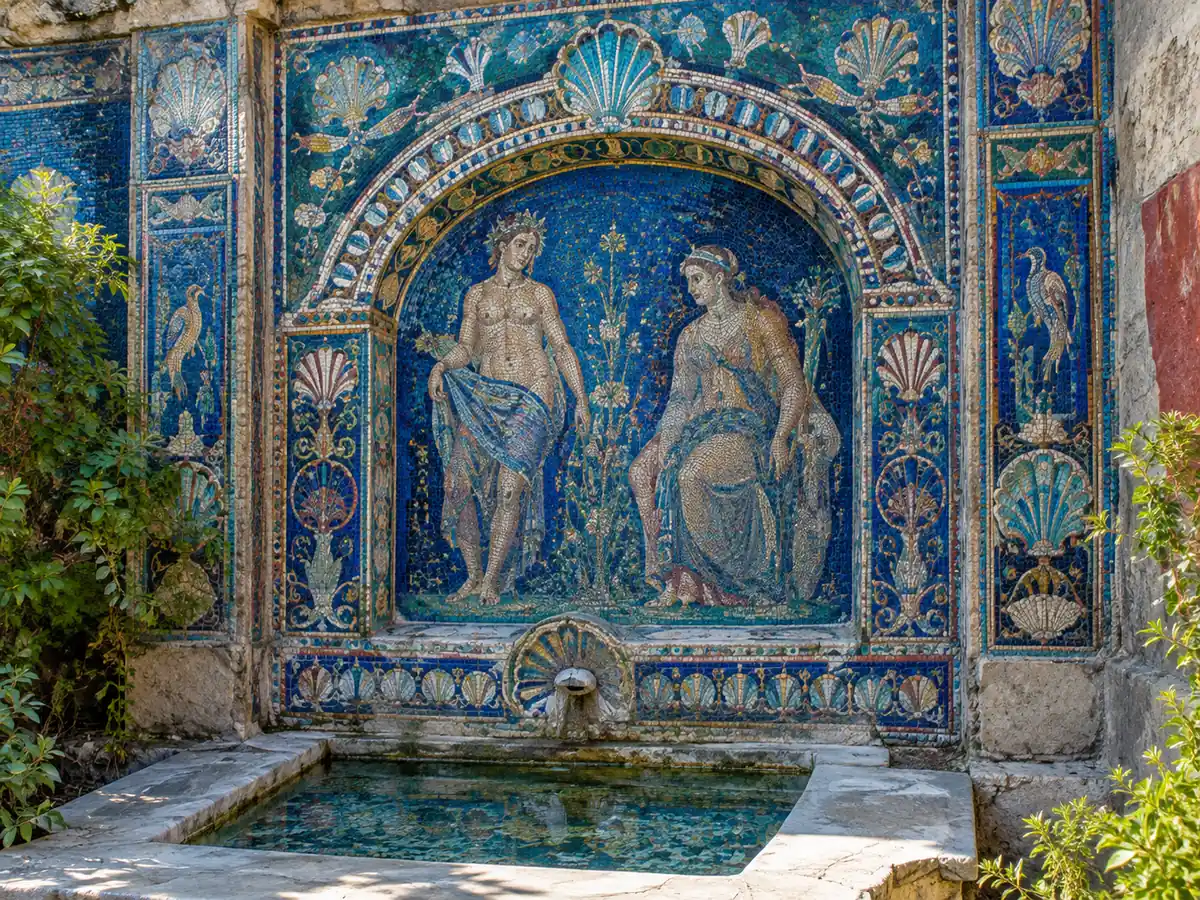
- House of Neptune and Amphitrite ~15 min — The glass-paste mosaic that ends up on every book cover, still on its wall.
- Hall of the Augustals ~10 min — Where I call the mid-walk break. From here it’s downhill to the shoreline.
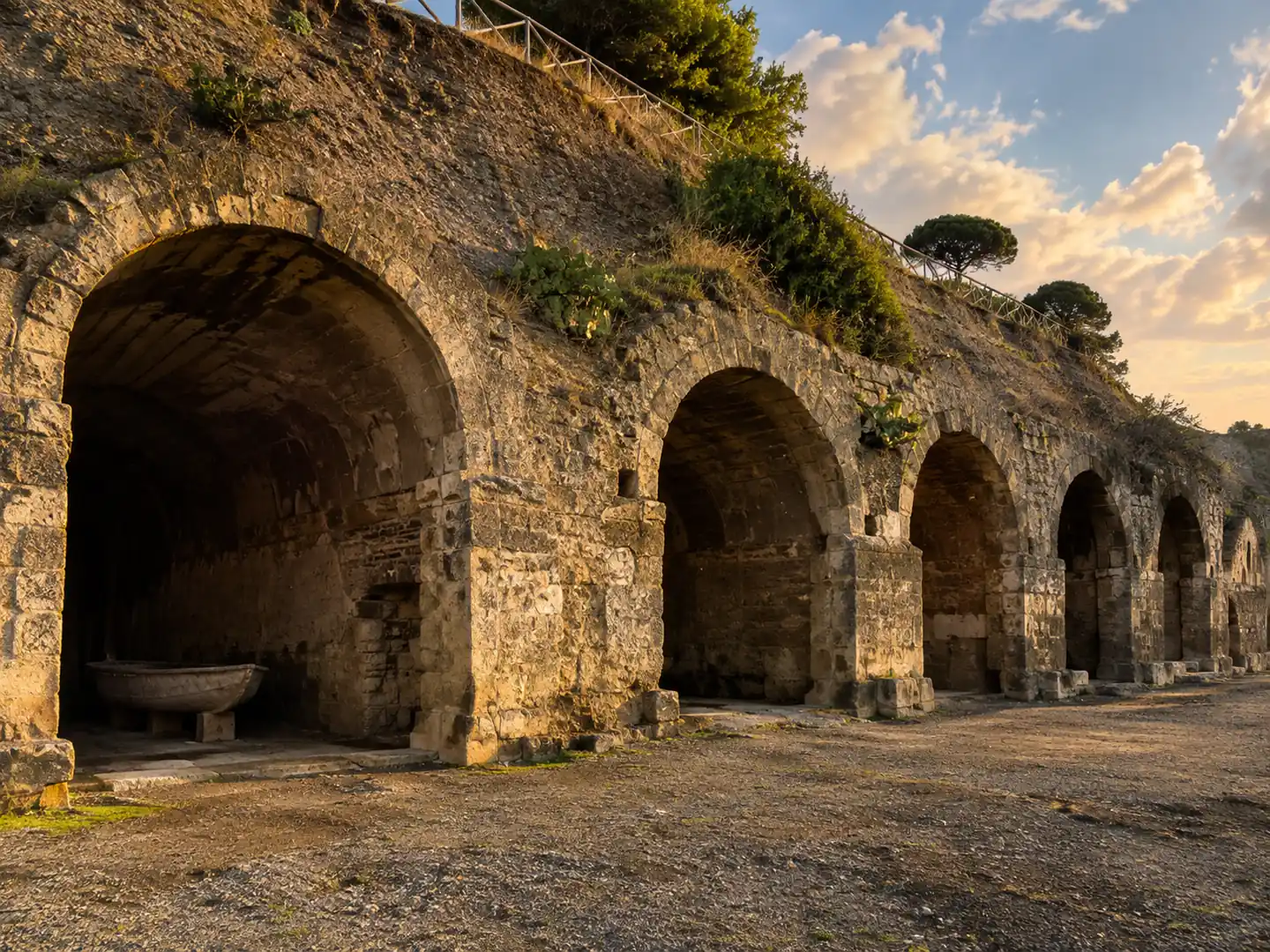
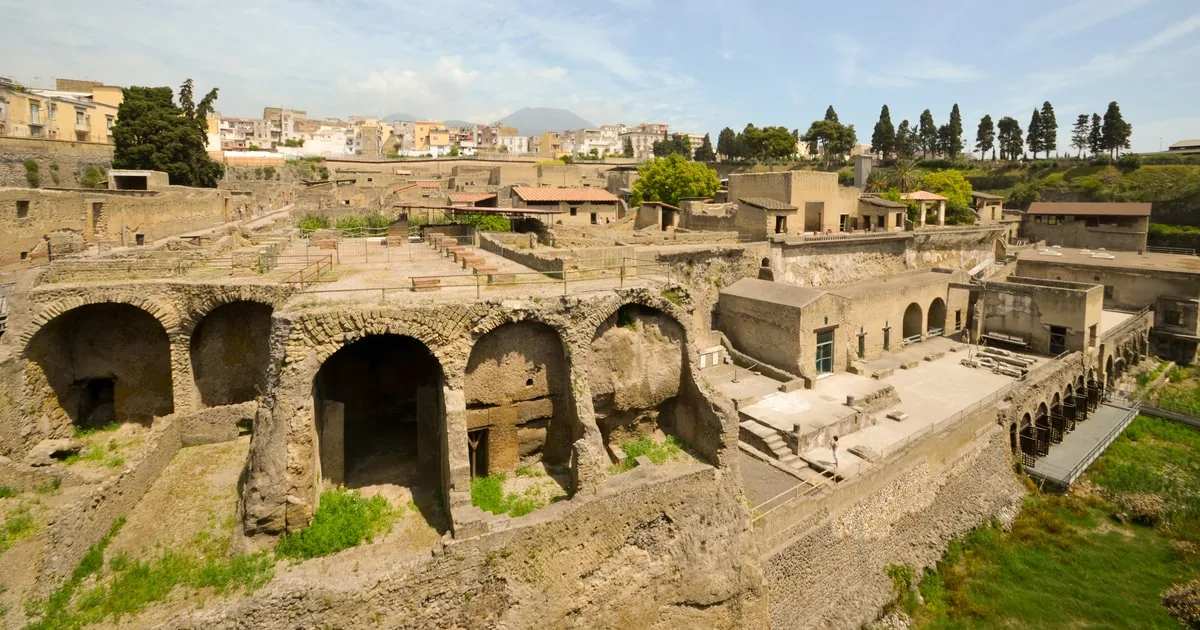
- Boat houses and the Terrace of Balbus ~20 min — The vaulted fornici where more than 300 skeletons were found from 1980 onwards — real remains, not casts — below the seafront terrace.
At that pace the loop is a steady two hours; add a third for an audio guide and the reading. Check seasonal hours and last entry on the planning page before you fix a start time, and see what’s open for the two closures most guidebooks miss.
The two hours most people should book
The €45 skip-the-line tour with a live archaeologist is the pick I give friends: about two hours, tours in English, Italian, German and French, free cancellation up to 24 hours before.
Ticket, guided tour, or the Pompeii combo?
The three products people actually weigh against each other.
| Ercolano: Herculaneum Entry Ticket with Audio Guide | The pickHerculaneum: Skip-the-Line Guided Tour with Archaeologist | Pompeii: Small-Group Tour of Pompeii and Herculaneum | |
|---|---|---|---|
| Price | €18 | €45 | €100 |
| Time on site | Your own pace | ~2 hrs guided | 5.5-hr day, both sites |
| Guiding | Audio app on your phone | Live archaeologist | Live archaeologist |
| Entry | Pre-booked for your day | Skip-the-line included | Skip-the-line at both |
| Best for | Independent visits | Most first visits | Seeing both in one day |
| Rating | 4.2 | 4.8 | 4.8 |
| View → | Book this → | View → |
Photo Gallery
Herculaneum, up close
Six corners of the loop above. Click any photo to see it full-size.
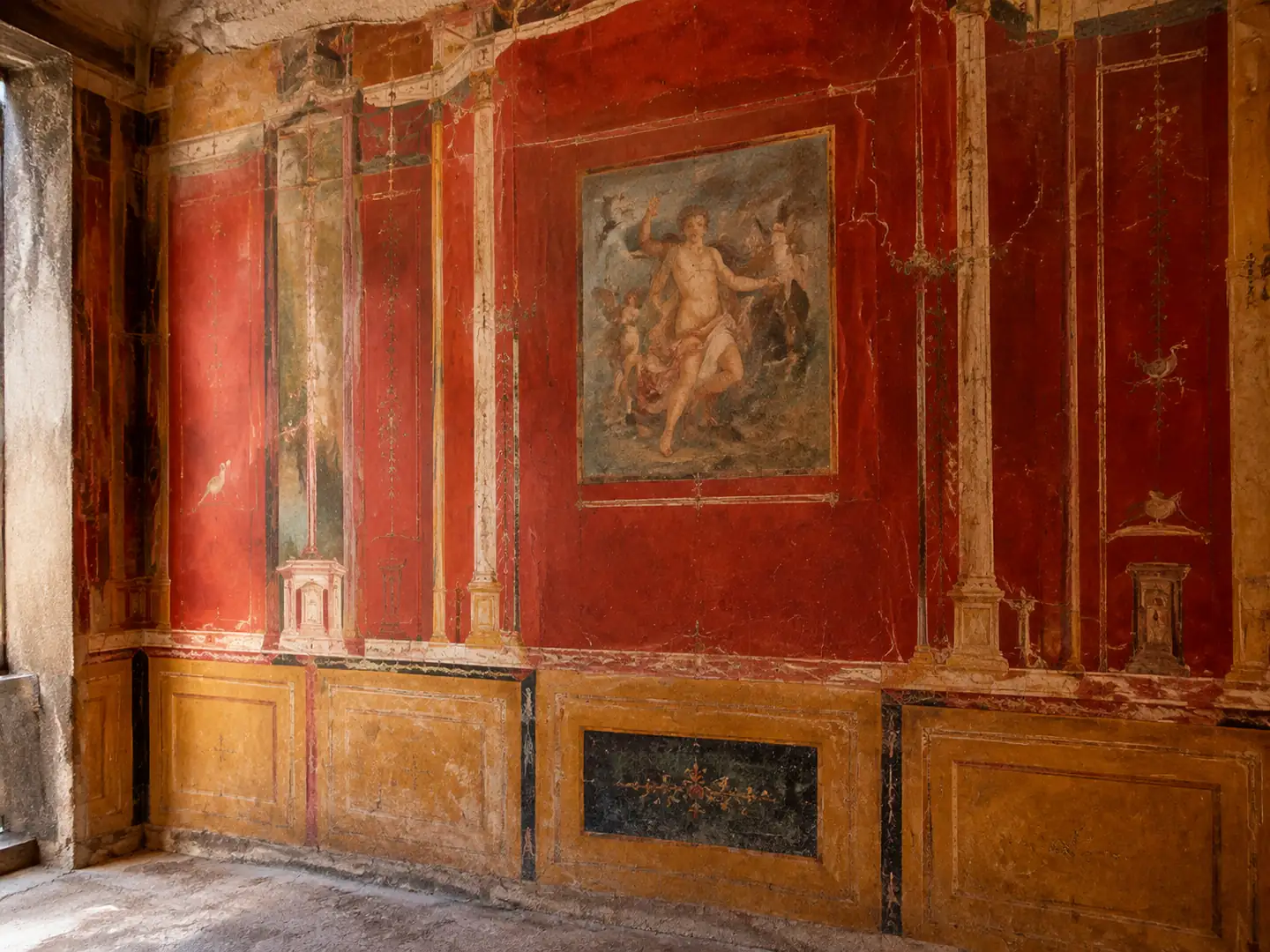
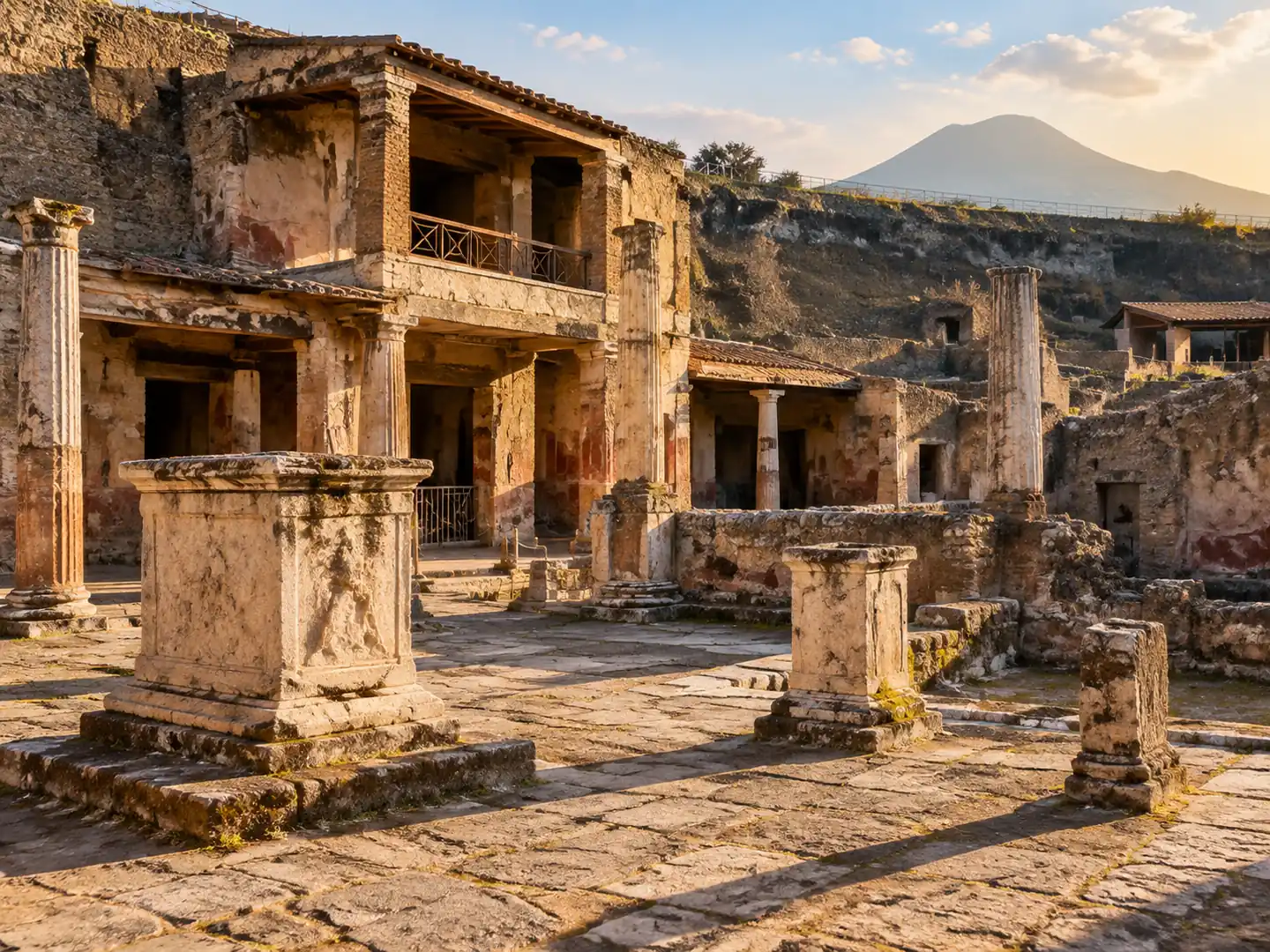
All six ways into Herculaneum
Every product this site covers, from the €18 entry ticket to the private archaeologist. Same town, different depth of visit.
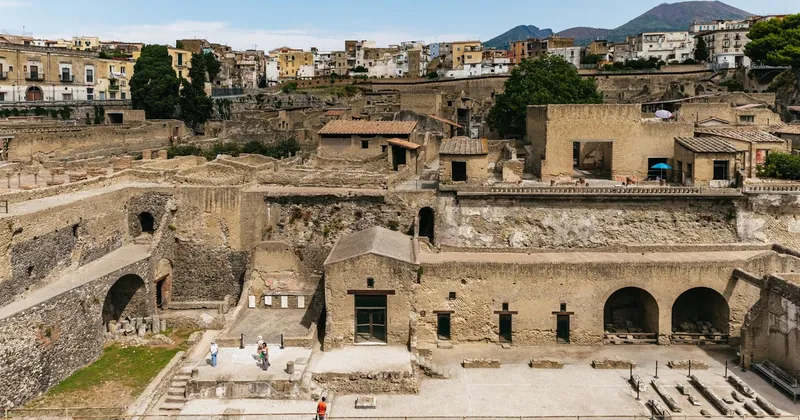 Best seller
Herculaneum: Skip-the-Line Guided Tour with Archaeologist
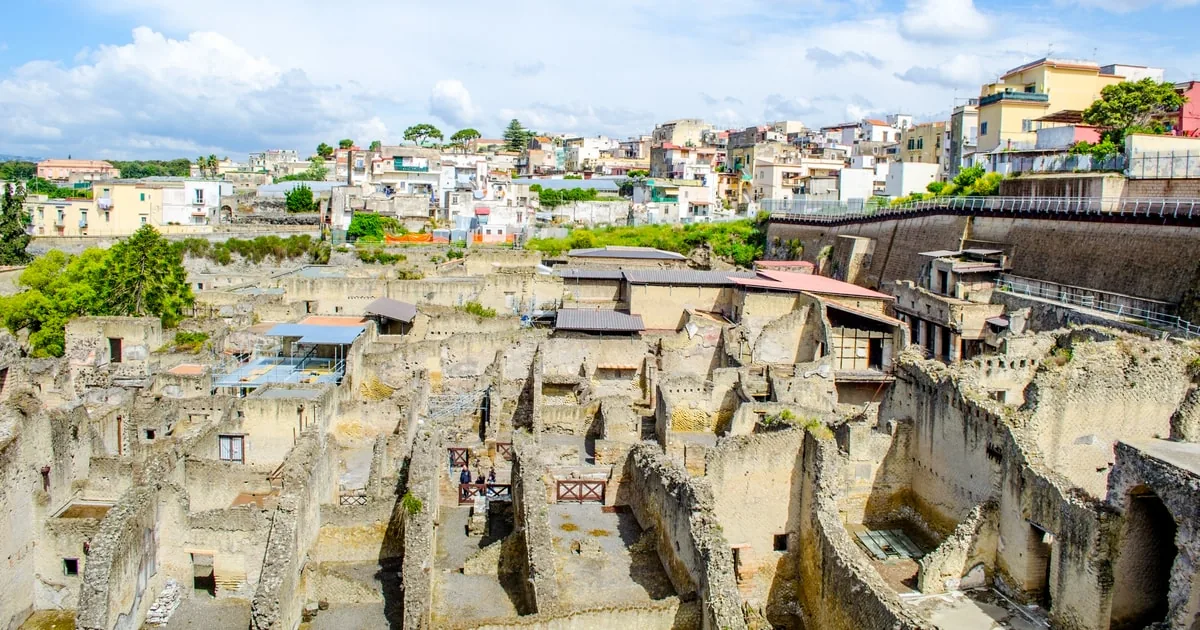 Cheapest
Ercolano: Herculaneum Entry Ticket with Audio Guide
 Skip the line
Herculaneum: Skip-the-Line Entry Ticket with Audio Guide
 From Naples
From Naples: Herculaneum Guided Tour with Tickets Included
 Pompeii combo
Pompeii: Small-Group Tour of Pompeii and Herculaneum
 Private
Herculaneum: 2-Hour Private Tour with an Archeologist Guide
What visitors say
Review snippets from the six products on this page, the critical ones included.
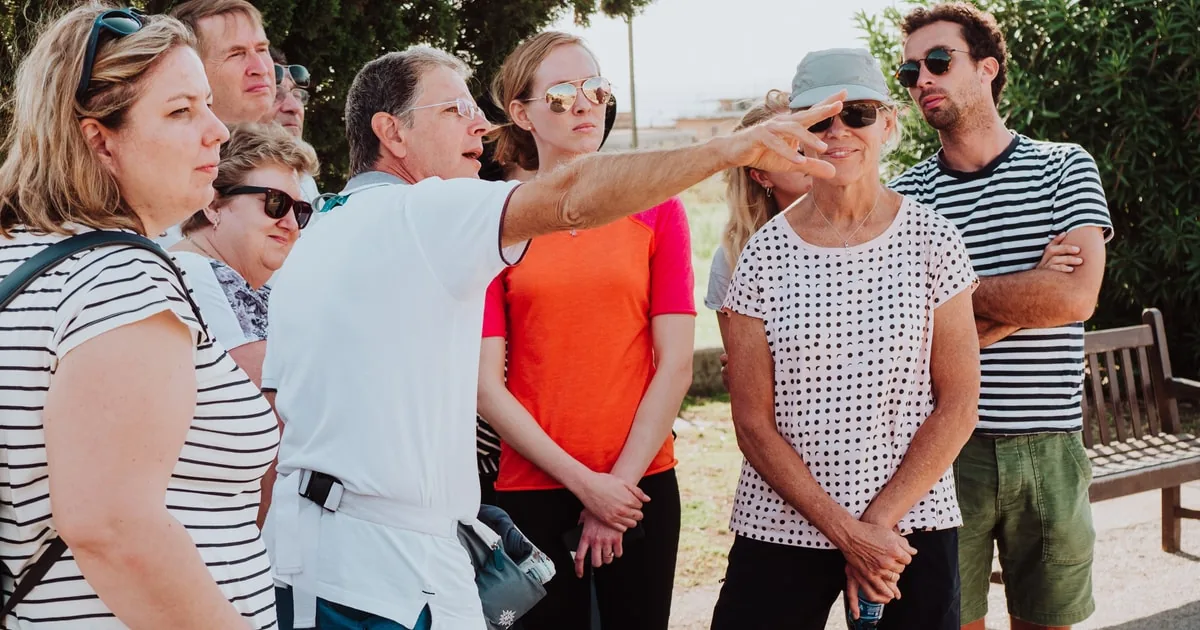
Luciano was the best guide we had in two weeks in Italy. Two hours went quickly.
On par with Pompeii, perhaps even more exciting — no lines and almost no other tourists.
Booking and ticket collection were easy. The included audio guide wasn’t great, though — quite disjointed.
You feel it was a very lively place, full of life — and everything suddenly stopped.
Amodeo is a story teller. He brought the people of Pompeii and Herculaneum back to life for us.
Giovanni made all the difference. The context he gave us turned streets and rooms back into a town.
Ratings and reviews are the operators’ live GetYourGuide figures. Read our full tour reviews ›
Can’t make these dates?
Browse more available herculaneum tickets and find one that fits your schedule — all with instant confirmation and free cancellation.
Herculaneum, explained
I was born in Ercolano, a ten-minute walk from the excavation gate, and I’ve spent fifteen years taking visitors down Corso Resina into the town buried below my own. This is the short version of everything I tell them on the way down.
What 20 metres of rock saved
In 79 AD Vesuvius buried Herculaneum under roughly 20 metres of pyroclastic material; Pompeii lay under far less. The traditional date is 24 August, and recent archaeological work points to autumn of that year, so I give visitors the honest version: the year is certain, the day is argued about. What matters for your visit is the depth. That deep, hot burial carbonized organic material instead of destroying it, which is why Herculaneum still has wooden doors, furniture, mezzanine floors, food, rope and the famous scrolls — things that survived here as almost nowhere else. It is also why the skeletons in the boat houses are real. Pompeii’s figures are plaster casts poured into voids; Herculaneum preserved bone, more than 300 people found in the vaulted fornici on the old shoreline from 1980 onwards. The town stood on the coast; the eruption pushed the sea out, and those boat houses now sit about 400 metres from the water.
The walk, and what is actually open
About 4.5 hectares are excavated and open — a quarter of the ancient town, with the rest under modern Ercolano. That size is a feature. Two hours at a steady pace covers the highlights; a third hour lets you run an audio guide and read the panels without rushing. The stops I make sure nobody misses: the House of the Wooden Partition with its carbonized door, the Samnite House, the Central Baths, the glass-paste mosaic in the House of Neptune and Amphitrite, the Hall of the Augustals, the seafront Terrace of Balbus and the boat houses below it. The Antiquarium holds the original nine-metre Roman boat. Two closures, stated plainly because most guidebooks get them wrong: the Villa of the Papyri is closed for excavation and accessibility works with no announced reopening date, and the ancient theatre is closed until further notice. Check what is genuinely open and the seasonal hours and last-entry times before you fix a start time. In summer, parts of the site keep their roofs and upper floors, so there is more shelter than at Pompeii — but the open streets are hot, and one reviewer, Janet, put the other essential plainly: good shoes are a must, and mind where you step.
The ticket maths
The gate ticket is €16 and the queue is usually short, so turning up with nothing booked is a legitimate plan — EU citizens aged 18–25 pay €2, under-18s enter free with ID, and buying through the official park site adds a €1.50 pre-sale fee. So what does paying more get you? The €18 and €26 online tickets buy a pre-booked day plus an audio guide; reviewers call the bundled app serviceable rather than brilliant, and the audio content runs long. The jump worth paying for is a live archaeologist at €45 for about two hours — the difference between looking at rooms and understanding them. A private version costs €275 for the group, plus entrance tickets. Every number sits in what Herculaneum really costs, the products side by side in the ticket comparison, and my full notes on the flagship in the guided tour review.
The Pompeii question, without hedging
Half the people who write to me ask the same thing, so here it is. Both in one day is doable: a 5.5-hour small-group tour covers the two sites with one archaeologist and skip-the-line entry at each for €100, and doing it yourself on the train works if you start early. If you can only take one and you hate crowds, take Herculaneum — a quarter of Pompeii’s visitors, denser preservation, and you are done in two or three hours instead of four-plus. Take Pompeii if scale is the point: the amphitheatre, the forum, a town ten times the excavated area. The longer argument is in Pompeii vs Herculaneum; the two-site day is planned out on the combo page.
Getting here is the easy part
Take the Circumvesuviana to Ercolano Scavi: about 20 minutes from Naples, about 45–50 from Sorrento. From the station it is a signposted 500-metre walk, roughly ten minutes downhill along Via IV Novembre to the gate on Corso Resina. Drivers have the municipal car park on Via dei Papiri Ercolanesi and private lots nearby, though one visitor, Ralf, found parking more complicated than expected, which is fair. From the Naples cruise terminal, allow about an hour door to gate. Step-by-step routes are in how to get there.
The bottom line
Herculaneum gives you the best two hours on this side of the bay: quieter than Pompeii, better preserved, small enough to finish without a march. If you book one thing, book the archaeologist. If you book nothing, the €16 gate ticket and a morning start will still do the job — just check the free-Sunday crowds before you pick the date.
Frequently asked questions
Is two hours enough to see Herculaneum?
For the highlights, yes — the excavated area is about 4.5 hectares and a steady loop covers it in two hours. With an audio guide and time to read, plan three. I break the visit down stop by stop in how long Herculaneum takes.
Is Herculaneum better than Pompeii?
Better preserved, yes: the deeper burial kept wooden furniture, upper floors and mosaics that Pompeii lost, and it draws roughly a quarter of the crowd. Pompeii is far bigger, with the amphitheatre and the forum, and needs four hours minimum. The full comparison, with a table, is in Pompeii vs Herculaneum.
Can I visit Pompeii and Herculaneum in one day?
Yes. A 5.5-hour small-group tour covers both with one archaeologist and skip-the-line entry at each for €100, or you can do it yourself — the two sites sit on the same Circumvesuviana line. What that day looks like is on the Pompeii and Herculaneum page.
Are the skeletons at Herculaneum real?
Yes. More than 300 skeletons have been found in the vaulted boat houses on the ancient shoreline since 1980, and they are real human remains — Pompeii’s famous figures are plaster casts of voids; Herculaneum preserved bone. The story is in what happened to Herculaneum.
Why is Herculaneum less famous than Pompeii?
Depth, mostly. Herculaneum lies under roughly 20 metres of hardened volcanic material, so excavation came later and slower, while Pompeii was dug early on a grand scale and got the Grand Tour and the casts. Less famous has never meant lesser — my case is in is Herculaneum worth it.
Is there an audio guide in English?
Yes — the €18 and €26 tickets bundle an audio guide with English among the languages, and reviewers rate the French version well. Honest note: the content runs long, and the app version is serviceable rather than brilliant. Details and alternatives are in the audio guide answer.
When is Herculaneum free to enter?
On the first Sunday of every month, and on 25 April, 2 June and 4 November. Free days can’t be reserved — you collect a ticket at the office on the day, and on busy dates entry isn’t guaranteed. The fine print is in free entry days.
Is the Villa of the Papyri open?
No. The Villa of the Papyri — famous for its 1,800-plus carbonized scrolls — is closed for excavation and accessibility works with no announced reopening, and the ancient theatre is closed too. What you can actually enter is listed in what to see.
Still have questions? Email us [email protected]